
Richmond upon Thames · West London
Plumbingin Richmond.
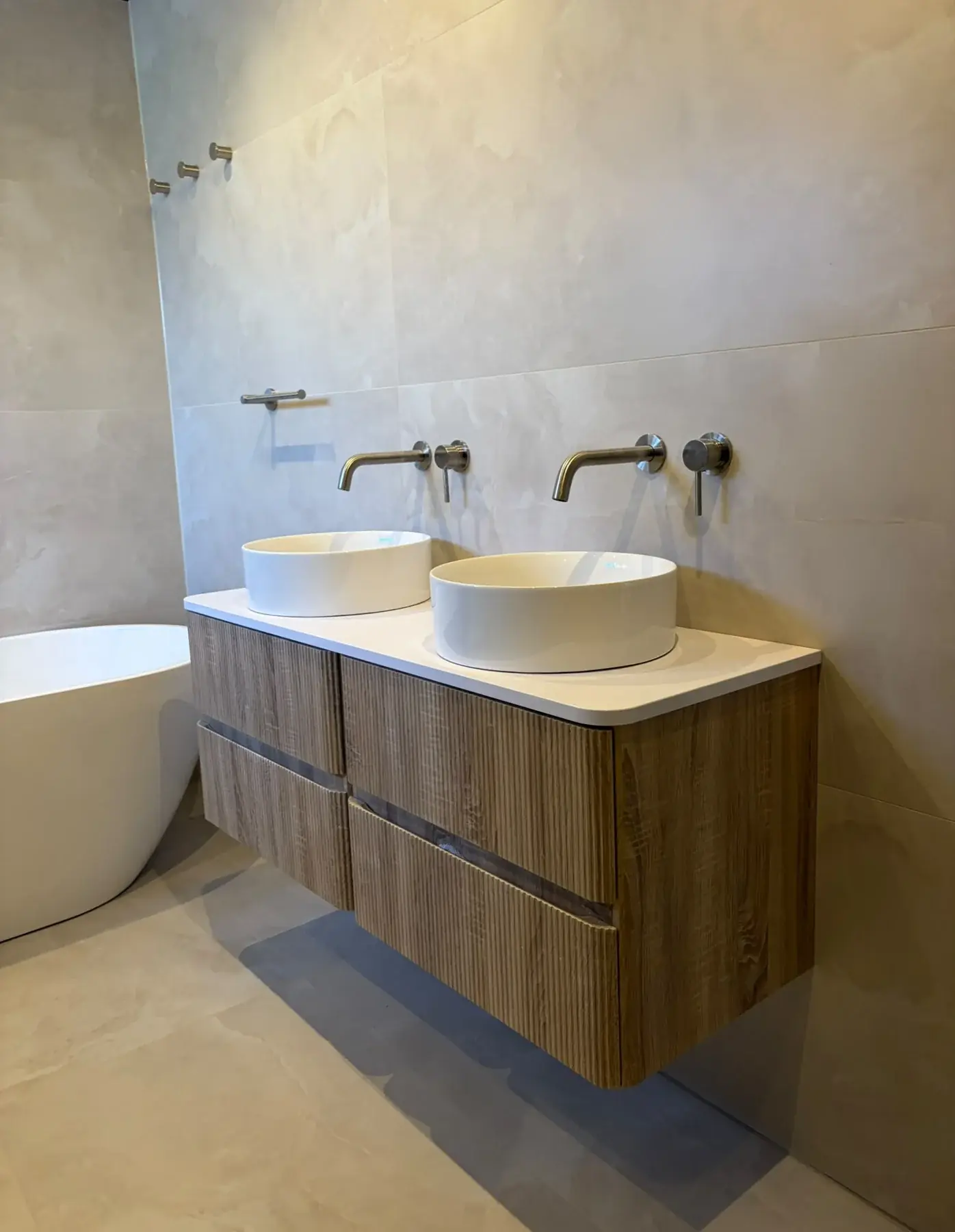
Plumbing decisions are easier when they are tied to the room layout and the hidden routes behind it. In Richmond, moving a sink or adding a bathroom is really a question about pipe access, drainage fall, existing condition and what can be altered without creating future problems.
- Service
- Plumbing
- Neighbourhood
- Richmond
- Borough
- Richmond upon Thames
- Next step
- Discuss your project
Your project brief
Think through the route of water and waste, not just the fitting position
A new layout can look ideal until the pipes are mapped. If the sink, bath or shower moves far from existing services, the work may need more boxing-in, more opening-up or more coordination with other trades. The actual route matters as much as the room plan.
This is why a survey should check the available access and the condition of visible pipework before a final decision is made. Old copper, concealed joints or awkward waste routes may change the job from a straightforward swap to a more involved alteration. That is best known before the walls are closed again.
Richmond checks before altering pipe routes
Richmond upon Thames says any home in the borough can be subject to an Article 4 Direction, though that mainly affects external changes rather than hidden pipework. Even so, the exact address still matters if the plumbing work is part of a wider alteration that changes windows, doors, brickwork or another outside feature. Check the planning position before assuming the whole job is internal and exempt from review.
Design decisions
Write the scope around the agreed level of investigation
Plumbing jobs often change when hidden defects are found. The written scope should say whether the job includes only the visible replacement, or also investigation, rerouting and making good. For example, if an existing waste pipe is assumed to be usable until exposed, note that as an assumption rather than a promise.
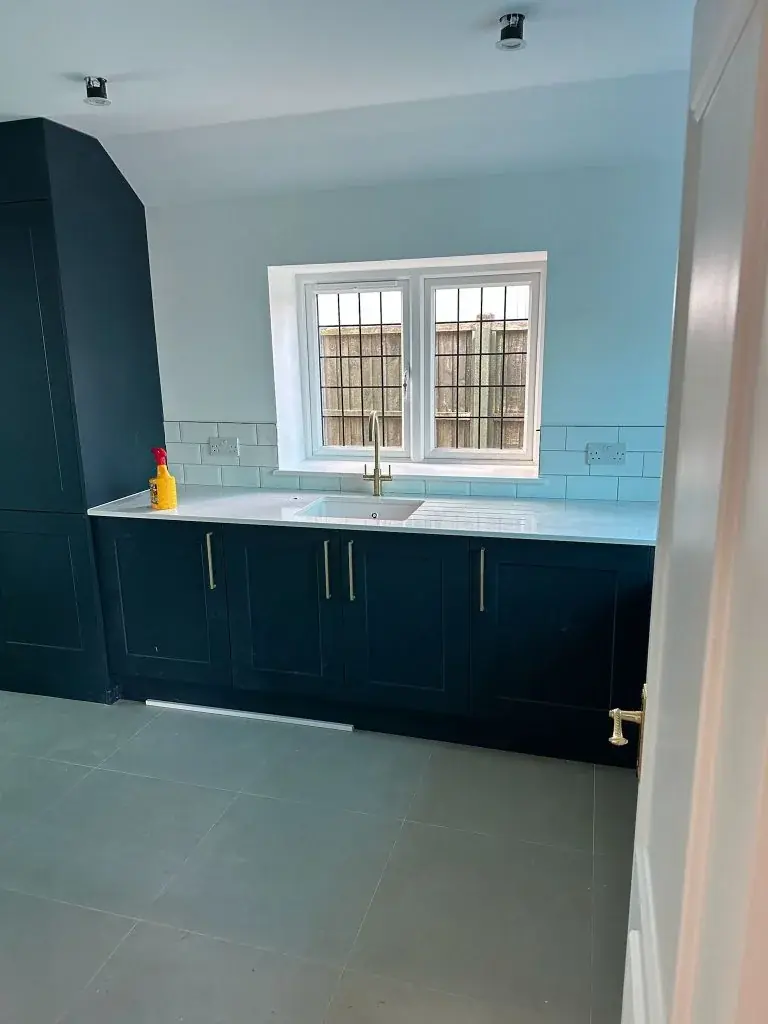
That approach also helps with bathrooms and kitchens, where plumbing is tied to cabinets, tiling and flooring. The scope should separate first-fix from second-fix work, and say clearly who is responsible for any specialist connections or records required by the wider project.
Design checks
Four things we confirm before drawing plumbing work.
- 01Water supply and waste pipe alterations for agreed kitchen and bathroom layouts.
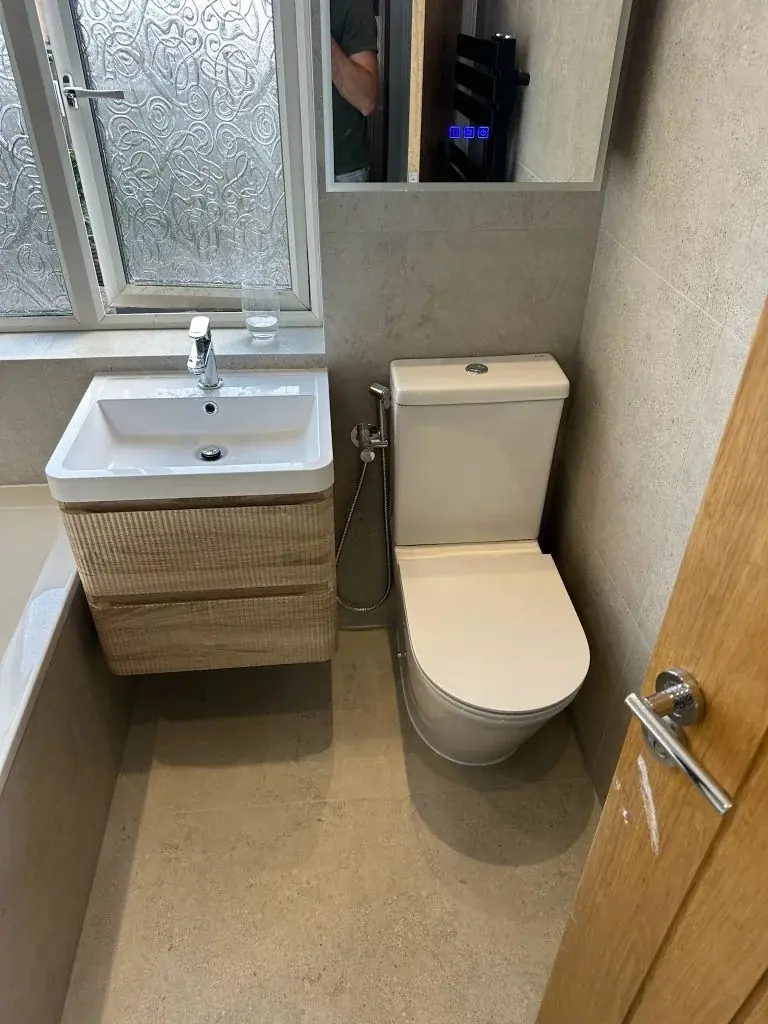
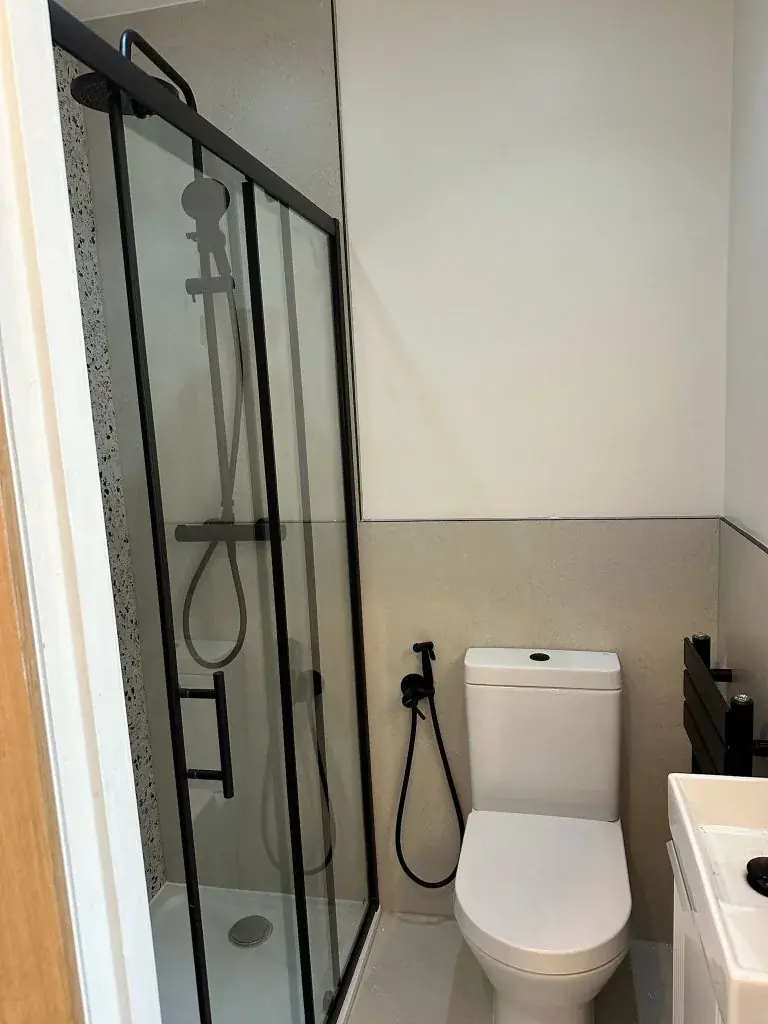
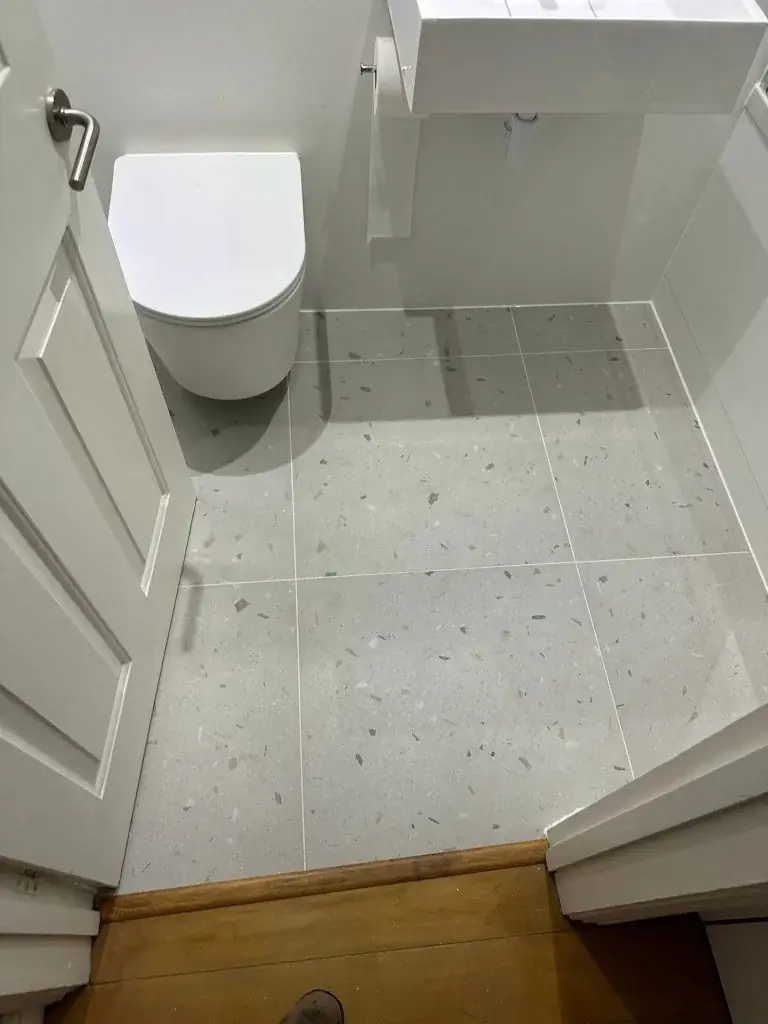
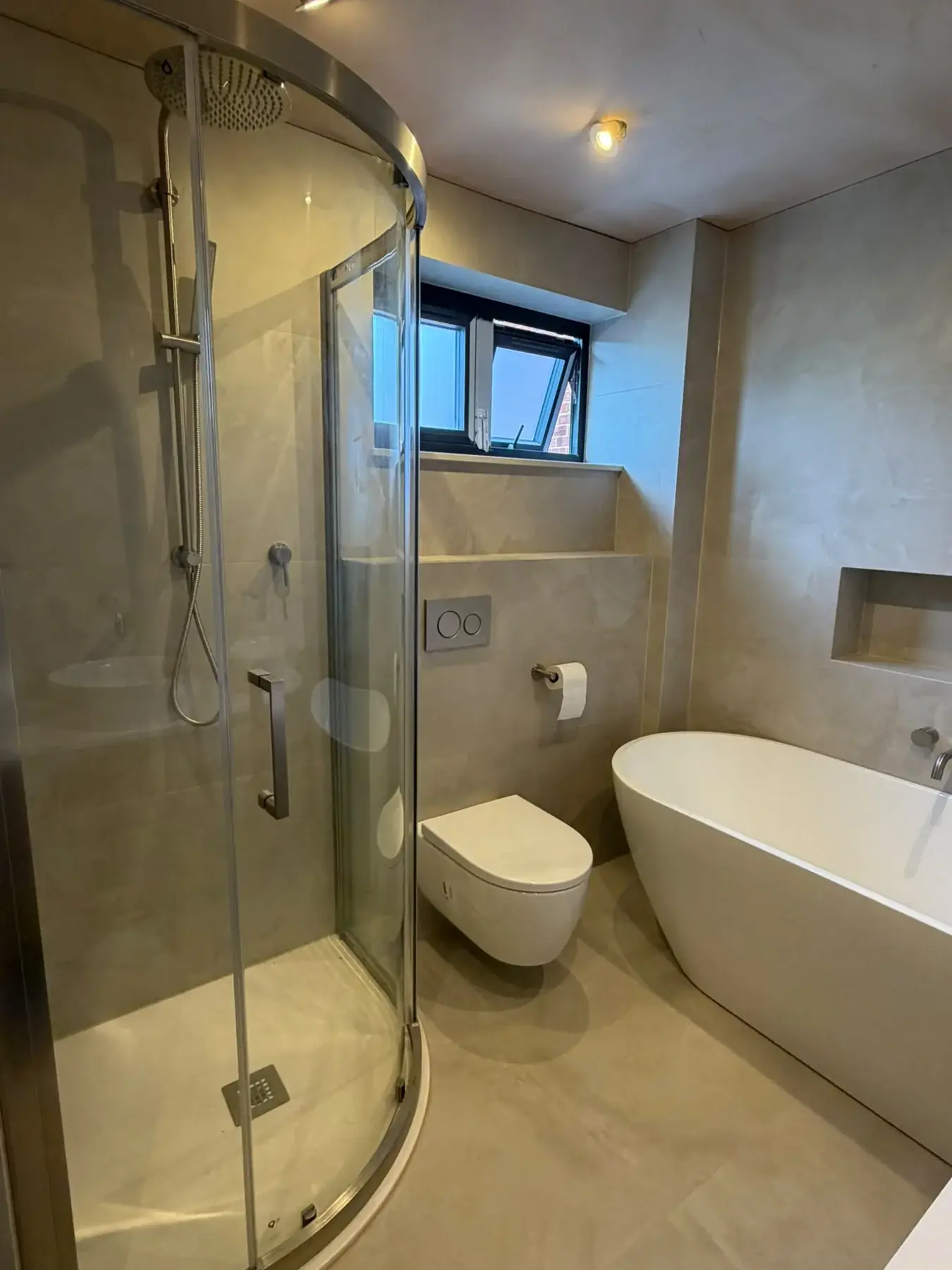
- 02Installation or replacement of sanitaryware, taps and associated connections.
- 03Plumbing first-fix and second-fix work coordinated with the surrounding building project.
- 04Assessment of accessible pipework and investigation of issues within an agreed scope.
What makes a plumbing job more than a like-for-like replacement?
If the pipe routes, access, drainage fall or connection points need changing, it becomes an alteration rather than a simple swap. That should be clear before the work is priced or scheduled.
Why is accessible pipework important in a renovation?
Because what can be reached and inspected usually shapes how much disturbance is needed. If the pipes are hidden behind finished surfaces, the work may require extra opening-up and making good.
How should unknowns be handled in the paperwork?
Note them as assumptions and say how they will be checked. If the hidden condition differs, the scope can be updated without confusion about what was originally included.
Planning and project guidance
- Article 4 Directions - Conservation areas - London Borough of Richmond upon Thames
- GOV.UK · Planning permission
- GOV.UK · Building regulations approval
- GOV.UK · Party walls and building work
Check the current guidance for your address before relying on a planning route. This guide is not a planning decision or a verified local case study.
Other services in Richmond








