
Greenwich · South London
Doorsin Eltham.
A door seems straightforward until the opening, frame and adjoining finishes are examined. The right choice depends on whether the existing frame can stay, what the door needs to do, and how much adjustment the opening will need to take it properly.
- Service
- Doors
- Neighbourhood
- Eltham
- Borough
- Greenwich
- Next step
- Discuss your project
Your project brief
Check the opening before selecting the door
The first decision is whether the existing frame and lining are worth retaining. That depends on the condition of the opening, the alignment of the surround and the clearances available. If those are not checked first, the chosen door may need trimming or may never hang quite right.
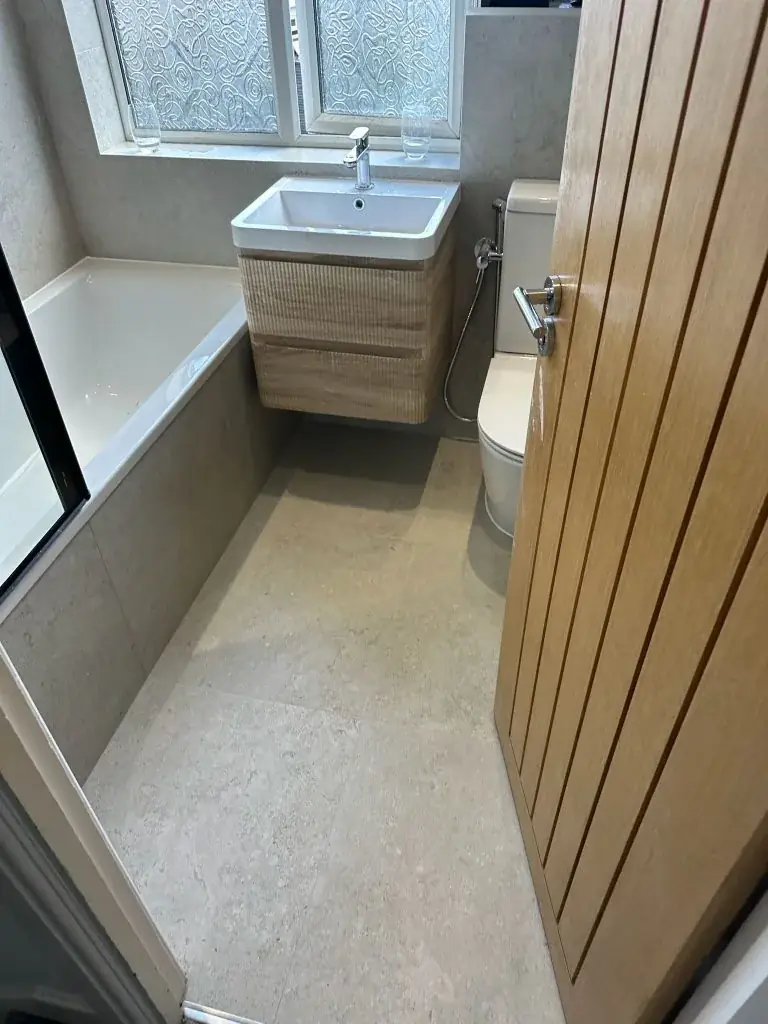
For internal doors, the aim is often a clean fit within an agreed joinery scope. That means thinking about the adjoining skirting, architraves and thresholds at the same time, not after the slab is already on site.
Check the exact Eltham property against Greenwich guidance if the opening changes
Greenwich council says planning permission may be needed where the external appearance changes, and listed buildings or other designations need extra care. For an Eltham door project, that does not mean every replacement is a planning issue. It does mean the exact address and whether the opening is altered must be checked before assumptions are made.
Design decisions
Match the hardware and performance to the use
Handles, hinges and latches should suit the door’s purpose, whether that is privacy, durability or security. The hardware is not an afterthought; it helps the door function day to day. A simple internal door and a more demanding external or altered opening will not need the same specification.
If the door is part of a wider home improvement, the surrounding finishes also matter. Making good around the frame and trim should be included in the scope so the finished opening looks intentional rather than patched together.
Design checks
Four things we confirm before drawing door installation.
- 01Check the frame, lining and clearances before ordering the door.
- 02Match hinges, handles and latches to the door’s intended use.
- 03Include trim and making-good around the opening in the scope.
- 04Confirm any altered opening or external change before work starts.

When can an existing door frame be kept?
When it is sound, aligned and suitable for the new door. Retaining the frame can simplify the job, but only if the opening still works properly.
Why does hardware matter so much in door fitting?
Because the hardware controls how the door feels and performs every day. Good hinges, latches and handles help the door close properly and suit its use.
What should be planned if a door opening is being changed?
The opening size, the surrounding finish, the hardware and any external implications should all be checked first. That avoids surprises once the work begins.
Planning and project guidance
- Find out if you need planning permission | Royal Borough of Greenwich
- GOV.UK · Planning permission
- GOV.UK · Building regulations approval
- GOV.UK · Party walls and building work
Check the current guidance for your address before relying on a planning route. This guide is not a planning decision or a verified local case study.
Other services in Eltham








