
Greenwich · South London
Renderingin Eltham.
Rendering changes the outside of a wall, so the first decision is not the colour or texture but whether the wall underneath can support the finish. The substrate, existing render and junctions all affect whether a repair or full application is the better route.
- Service
- Rendering
- Neighbourhood
- Eltham
- Borough
- Greenwich
- Next step
- Discuss your project
Your project brief
Inspect the wall before selecting the render system
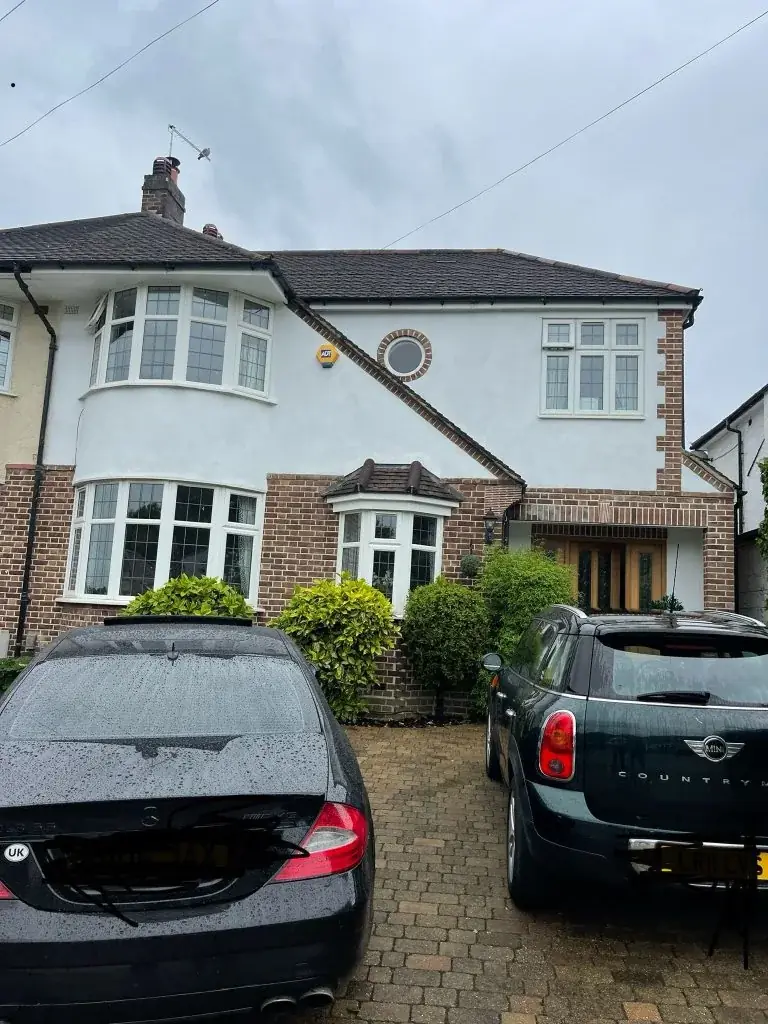
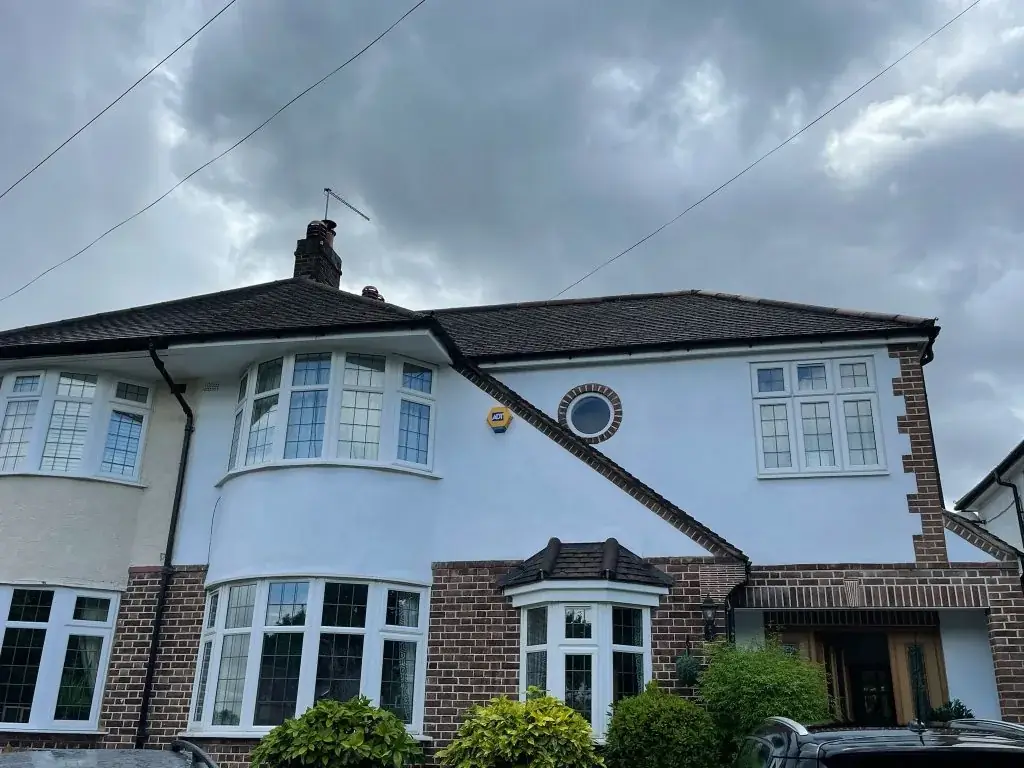
The existing wall needs to be assessed for condition, compatibility and any previous failure. A render that suits one background may not suit another, so the work should begin with what is already there. If the old finish is unstable, preparation becomes part of the job rather than a minor detail.
This is especially important where the wall meets openings, roof edges or adjoining materials. Those junctions often determine whether the finish will remain neat and durable, so they should be planned from the outset instead of being patched around afterwards.
Use the Greenwich check if the external appearance is changing
Greenwich guidance says some changes to the outside of a home may need planning permission, especially where the broader project alters the building or where protected status is relevant. For an Eltham property, the exact address should be checked rather than assuming the whole area is affected. The render scope should be matched to the site, not a general rule.
Design decisions
Decide whether the work is a repair or a refresh
Not every render project means taking everything back to the bare wall. Sometimes a local repair is enough; sometimes the failed areas are too extensive and a broader application makes more sense. The right choice depends on the wall’s condition and the agreed result.
For a home improvement project, it helps to be honest about what the render is meant to do: refresh appearance, repair damage or form part of a larger external change. That keeps the scope proportionate and avoids overworking the building.
Design checks
Four things we confirm before drawing external rendering.
- 01Assess the existing wall and any failed areas before choosing a system.
- 02Decide whether the work is a local repair or a wider refresh.
- 03Plan junctions around openings, roof edges and adjoining materials.
- 04Check the exact property if the external appearance is changing.
What is the main difference between render repair and new rendering?
Repair deals with failed or damaged areas while keeping as much of the existing finish as is practical. New rendering is a broader application chosen when the old surface is no longer a good base.
Why are junctions so important in rendering?
Because the finish often fails first where different materials meet. Good detailing at openings and edges helps the render look consistent and last longer.
Does every render job need the same level of preparation?
No. The amount of preparation depends on the wall’s condition and the render system being used. A sound background needs less intervention than a wall with failed material.
Planning and project guidance
- Find out if you need planning permission | Royal Borough of Greenwich
- GOV.UK · Planning permission
- GOV.UK · Building regulations approval
- GOV.UK · Party walls and building work
Check the current guidance for your address before relying on a planning route. This guide is not a planning decision or a verified local case study.
Other services in Eltham








